

How to Compare Battery Installers When the Hardware and Specifications Are Different
Comparing battery installation quotes can be surprisingly difficult. One installer may recommend a compact battery with a high power rating, while another proposes a larger capacity system with different charging characteristics. Both quotations may appear reasonable, yet the specifications are not directly comparable.

Why you can trust our content
We know that the battery storage industry is full of misinformation, but we rely on trusted sources to provide accurate, reliable information, including:




At a glance
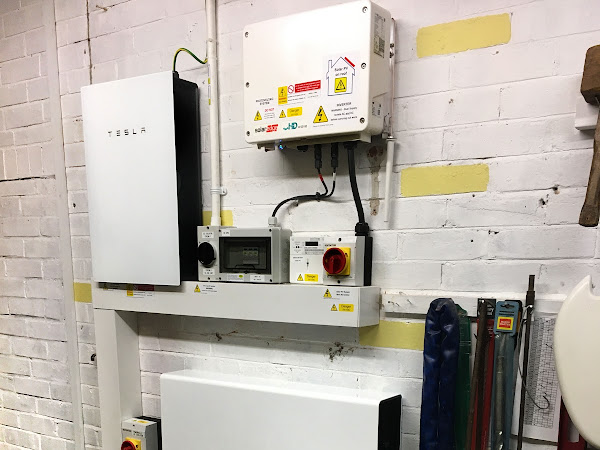
The key is to look beyond the brand name and headline battery capacity. A home battery is part of an electrical system, so the inverter, solar array, controls and intended usage all need to be considered together.
If you are researching the best battery installer cambridge homeowners can choose from, a useful starting point is to compare the design and installation approach rather than simply looking for the largest battery or lowest quoted price.
What should you compare between battery quotations?
A battery quotation should give you enough technical information to understand what you are actually being offered.
The most useful specifications include:
|
Specification |
What it tells you |
|
Usable capacity |
How much stored energy is available for practical use |
|
Nominal capacity |
The battery’s stated total capacity |
|
Maximum charge power |
How quickly the battery can accept electricity |
|
Maximum discharge power |
How quickly electricity can be supplied |
|
Round-trip efficiency |
Indicates energy losses during charging and discharging |
|
Depth of discharge |
Shows how much of the battery can normally be used |
|
Warranty |
Provides information about product coverage |
|
Expansion capability |
Indicates whether additional storage may be supported |
These figures should be considered alongside your household’s electricity consumption and the amount of solar generation expected.
A battery with a larger kWh rating is not automatically more appropriate. Equally, a lower-capacity battery is not necessarily a poor specification. The right capacity depends on what the system is designed to achieve.
Is battery capacity the same as battery power?
No. Capacity and power describe two different characteristics.
Capacity, normally measured in kilowatt-hours (kWh), describes how much energy the battery can store.
Power, measured in kilowatts (kW), describes how quickly electricity can flow into or out of the battery.
For example, two batteries might have similar usable capacities but different maximum discharge powers. This could affect how much of the home’s electrical demand the battery can supply at a particular moment.
This distinction becomes particularly relevant where a household has several high-demand appliances operating at the same time.
When reviewing a quote, ask for both usable capacity and relevant power ratings.

What type of property do you have?

Detached House

Semi Detached House

Terraced House

Flat or Apartment
Bungalow
It just takes 2 minutes
And then you can book a free consultation
How important is the inverter when comparing batteries?
The battery should not be assessed in isolation.
The inverter manages the conversion and flow of electricity within the system, and its capabilities can influence how the battery charges, discharges and interacts with solar generation.
An installer should be able to explain:
- Which inverter is being used
- Whether the battery is directly compatible
- Maximum charging and discharging rates
- How solar electricity reaches the battery
- How stored energy is supplied to the home
- How the system is monitored
- Whether future expansion is supported
A battery with excellent specifications may not deliver the expected benefits if it is paired with unsuitable equipment or configured incorrectly.
Should you compare battery brands or complete systems?
Brand can be one consideration, but it should not be the only one.
Different manufacturers offer different battery capacities, power ratings, warranty conditions, monitoring platforms and expansion options. Some products may be designed specifically to integrate with particular inverter platforms.
A more useful comparison is therefore:
Battery + inverter + solar array + controls + installation
rather than simply:
Battery brand A vs battery brand B
This approach also helps explain why two installers may recommend different hardware for the same property.
One may prioritise higher discharge power, while another may design around greater storage capacity or future expansion.
What does an MCS-certified battery installer offer?
If you are considering an mcs certified battery installer, check exactly what certification applies to the proposed work and whether the installation falls within the relevant certification scope.
MCS certification is associated with standards for renewable energy and low-carbon technologies, with certified contractors required to meet defined requirements. It is still important to review the actual equipment, design and installation proposal.
Ask the installer:
- What certification do you hold?
- Does it cover the work being proposed?
- What installation standards will be followed?
- What documentation will be provided after commissioning?
- Which warranties apply to the equipment and workmanship?
Certification should form part of your checks rather than replacing them.
How do you compare battery warranties?
Warranty terms can vary significantly between products, so avoid comparing only the number of years.
Read the conditions behind the warranty and look for details such as:
- Warranty period
- Minimum retained capacity
- Throughput limitations
- Cycle limitations
- Installation requirements
- Approved operating conditions
- Transferability
- Conditions for future expansion
For example, a battery warranty may specify a minimum level of retained capacity after a certain period or number of cycles. That information provides more context than simply stating that the battery has a long warranty.
Does battery efficiency matter?
Yes, but it should be considered in context.
When energy enters a battery and is later discharged, some energy is lost. Round-trip efficiency provides an indication of how much energy remains available after the complete charging and discharging process.
However, efficiency should not be viewed independently of the rest of the design.
The value of a battery can also depend on:
- When solar electricity is generated
- When the household uses electricity
- Battery capacity
- Charging and discharging power
- Electricity tariffs
- System controls
- Expected usage patterns
This is why a proper system assessment is more useful than selecting equipment from a specification sheet alone.
What should you look for in the installation itself?
The equipment is only one part of the quotation. Installation quality and the electrical work around the battery also deserve attention.
Ask what is included in the installation price and whether the quotation covers the necessary protection, cabling, mounting, commissioning and monitoring setup.
You can also ask how the installer approaches:
- Electrical protection
- Battery positioning
- Cable routing
- Ventilation requirements where applicable
- System commissioning
- Monitoring setup
- Handover documentation
- Future servicing
A clear quotation should make it easier to understand what you are paying for.
How should you compare the total cost?
Price is important, but the figure needs context.
A cheaper quotation may contain a smaller battery, lower power capability, fewer included components or a different installation scope. A more expensive proposal may include additional equipment or a different system architecture.
Create a simple comparison using the same categories:
| Comparison point | Quote A | Quote B |
| Battery model | ||
| Usable capacity | ||
| Charge power | ||
| Discharge power | ||
| Inverter | ||
| Solar compatibility | ||
| Expansion options | ||
| Warranty | ||
| Monitoring | ||
| Installation scope | ||
| Total price |
This makes it easier to identify genuine specification differences.
When looking for the best battery installer cambridge homeowners may be considering, a structured comparison can help you understand what each proposal actually includes without relying on a single headline figure.
What questions should you ask before choosing?
A battery installer should be able to answer practical questions in straightforward language.
Consider asking:
- Why have you recommended this battery capacity?
- What is the usable capacity?
- What are the maximum charge and discharge powers?
- Which inverter will control the battery?
- Are the battery and inverter officially compatible?
- Can the system be expanded?
- What does the battery warranty cover?
- What is included in the installation?
- How will the system be monitored?
- What documentation will I receive after commissioning?
If the answers are unclear, ask for the relevant specifications to be included in the quotation.
Comparing Battery Installers With More Confidence
Battery quotations can look very different because installers may select different equipment and design systems around different household requirements.
Instead of comparing battery capacity or price alone, look at usable storage, power ratings, inverter compatibility, warranty terms, monitoring, installation scope and expansion options.
An mcs certified battery installer should also be able to explain the proposed system clearly and provide appropriate documentation for the installation.
Related articles



To add to my existing solar system

As a standalone for off-peak charging
At a glance
The key is to look beyond the brand name and headline battery capacity. A home battery is part of an electrical system, so the inverter, solar array, controls and intended usage all need to be considered together.
If you are researching the best battery installer cambridge homeowners can choose from, a useful starting point is to compare the design and installation approach rather than simply looking for the largest battery or lowest quoted price.
What should you compare between battery quotations?
A battery quotation should give you enough technical information to understand what you are actually being offered.
The most useful specifications include:
|
Specification |
What it tells you |
|
Usable capacity |
How much stored energy is available for practical use |
|
Nominal capacity |
The battery’s stated total capacity |
|
Maximum charge power |
How quickly the battery can accept electricity |
|
Maximum discharge power |
How quickly electricity can be supplied |
|
Round-trip efficiency |
Indicates energy losses during charging and discharging |
|
Depth of discharge |
Shows how much of the battery can normally be used |
|
Warranty |
Provides information about product coverage |
|
Expansion capability |
Indicates whether additional storage may be supported |
These figures should be considered alongside your household’s electricity consumption and the amount of solar generation expected.
A battery with a larger kWh rating is not automatically more appropriate. Equally, a lower-capacity battery is not necessarily a poor specification. The right capacity depends on what the system is designed to achieve.
Is battery capacity the same as battery power?
No. Capacity and power describe two different characteristics.
Capacity, normally measured in kilowatt-hours (kWh), describes how much energy the battery can store.
Power, measured in kilowatts (kW), describes how quickly electricity can flow into or out of the battery.
For example, two batteries might have similar usable capacities but different maximum discharge powers. This could affect how much of the home’s electrical demand the battery can supply at a particular moment.
This distinction becomes particularly relevant where a household has several high-demand appliances operating at the same time.
When reviewing a quote, ask for both usable capacity and relevant power ratings.
What type of property do you have?
Detached House
Semi Detached House
Terraced House
Flat or Apartment
Bungalow
It just takes 2 minutes
And then you can book a free consultation
How important is the inverter when comparing batteries?
The battery should not be assessed in isolation.
The inverter manages the conversion and flow of electricity within the system, and its capabilities can influence how the battery charges, discharges and interacts with solar generation.
An installer should be able to explain:
- Which inverter is being used
- Whether the battery is directly compatible
- Maximum charging and discharging rates
- How solar electricity reaches the battery
- How stored energy is supplied to the home
- How the system is monitored
- Whether future expansion is supported
A battery with excellent specifications may not deliver the expected benefits if it is paired with unsuitable equipment or configured incorrectly.
Should you compare battery brands or complete systems?
Brand can be one consideration, but it should not be the only one.
Different manufacturers offer different battery capacities, power ratings, warranty conditions, monitoring platforms and expansion options. Some products may be designed specifically to integrate with particular inverter platforms.
A more useful comparison is therefore:
Battery + inverter + solar array + controls + installation
rather than simply:
Battery brand A vs battery brand B
This approach also helps explain why two installers may recommend different hardware for the same property.
One may prioritise higher discharge power, while another may design around greater storage capacity or future expansion.
What does an MCS-certified battery installer offer?
If you are considering an mcs certified battery installer, check exactly what certification applies to the proposed work and whether the installation falls within the relevant certification scope.
MCS certification is associated with standards for renewable energy and low-carbon technologies, with certified contractors required to meet defined requirements. It is still important to review the actual equipment, design and installation proposal.
Ask the installer:
- What certification do you hold?
- Does it cover the work being proposed?
- What installation standards will be followed?
- What documentation will be provided after commissioning?
- Which warranties apply to the equipment and workmanship?
Certification should form part of your checks rather than replacing them.
How do you compare battery warranties?
Warranty terms can vary significantly between products, so avoid comparing only the number of years.
Read the conditions behind the warranty and look for details such as:
- Warranty period
- Minimum retained capacity
- Throughput limitations
- Cycle limitations
- Installation requirements
- Approved operating conditions
- Transferability
- Conditions for future expansion
For example, a battery warranty may specify a minimum level of retained capacity after a certain period or number of cycles. That information provides more context than simply stating that the battery has a long warranty.
Does battery efficiency matter?
Yes, but it should be considered in context.
When energy enters a battery and is later discharged, some energy is lost. Round-trip efficiency provides an indication of how much energy remains available after the complete charging and discharging process.
However, efficiency should not be viewed independently of the rest of the design.
The value of a battery can also depend on:
- When solar electricity is generated
- When the household uses electricity
- Battery capacity
- Charging and discharging power
- Electricity tariffs
- System controls
- Expected usage patterns
This is why a proper system assessment is more useful than selecting equipment from a specification sheet alone.
What should you look for in the installation itself?
The equipment is only one part of the quotation. Installation quality and the electrical work around the battery also deserve attention.
Ask what is included in the installation price and whether the quotation covers the necessary protection, cabling, mounting, commissioning and monitoring setup.
You can also ask how the installer approaches:
- Electrical protection
- Battery positioning
- Cable routing
- Ventilation requirements where applicable
- System commissioning
- Monitoring setup
- Handover documentation
- Future servicing
A clear quotation should make it easier to understand what you are paying for.
How should you compare the total cost?
Price is important, but the figure needs context.
A cheaper quotation may contain a smaller battery, lower power capability, fewer included components or a different installation scope. A more expensive proposal may include additional equipment or a different system architecture.
Create a simple comparison using the same categories:
| Comparison point | Quote A | Quote B |
| Battery model | ||
| Usable capacity | ||
| Charge power | ||
| Discharge power | ||
| Inverter | ||
| Solar compatibility | ||
| Expansion options | ||
| Warranty | ||
| Monitoring | ||
| Installation scope | ||
| Total price |
This makes it easier to identify genuine specification differences.
When looking for the best battery installer cambridge homeowners may be considering, a structured comparison can help you understand what each proposal actually includes without relying on a single headline figure.
What questions should you ask before choosing?
A battery installer should be able to answer practical questions in straightforward language.
Consider asking:
- Why have you recommended this battery capacity?
- What is the usable capacity?
- What are the maximum charge and discharge powers?
- Which inverter will control the battery?
- Are the battery and inverter officially compatible?
- Can the system be expanded?
- What does the battery warranty cover?
- What is included in the installation?
- How will the system be monitored?
- What documentation will I receive after commissioning?
If the answers are unclear, ask for the relevant specifications to be included in the quotation.
Comparing Battery Installers With More Confidence
Battery quotations can look very different because installers may select different equipment and design systems around different household requirements.
Instead of comparing battery capacity or price alone, look at usable storage, power ratings, inverter compatibility, warranty terms, monitoring, installation scope and expansion options.
An mcs certified battery installer should also be able to explain the proposed system clearly and provide appropriate documentation for the installation.
Related articles



To add to my existing solar system
As a standalone for off-peak charging
