

Future Repairs: Which Solar and Battery Components Are Easier to Diagnose and Replace?
When choosing a solar and battery system, most homeowners naturally focus on generation, storage capacity, installation cost and warranties. Future maintenance may receive less attention, particularly when the system is new.

Why you can trust our content
We know that the solar industry is full of misinformation, but we only use reliable sources, including:



At a glance
However, solar panels, inverters, batteries, monitoring equipment and electrical components all have different roles. If an issue occurs several years after installation, being able to identify the affected component can make diagnosis and repair more straightforward.
For homeowners searching for a battery installer near me, it is therefore worth considering not only how the system will perform today, but also how it could be supported in the future.
Why does repairability matter when choosing a solar system?
A solar and battery installation is made up of several connected components. A fault affecting one part does not necessarily mean the entire system needs replacing.
For example, a problem could relate to:
- A solar panel
- Inverter
- Battery module
- Cabling
- Electrical protection
- Monitoring equipment
- Communication between system components
- Connection or configuration
The first step is normally identifying the source of the problem.
Good system documentation can help because it provides information about the installed equipment, configuration and relevant specifications.
Which solar components can be diagnosed individually?
Many solar system components can be checked separately during troubleshooting.
The inverter may provide fault codes or monitoring information that helps identify an issue. Individual panels can also be investigated if generation appears lower than expected.
A technician may consider:
- System monitoring data
- Inverter status
- Panel performance
- Electrical connections
- DC and AC readings
- Cabling
- Protection equipment
- Environmental factors
The exact diagnostic process depends on the system and the reported fault.
A sudden drop in generation does not automatically mean the panels themselves have failed. The issue could originate elsewhere in the system.
This is why professional diagnosis is preferable to replacing components based solely on a performance change.

What type of property do you have?

Detached House

Semi Detached House

Terraced House

Flat or Apartment
Bungalow
It just takes 2 minutes
And then you can book a free consultation
What happens if an inverter needs replacing?
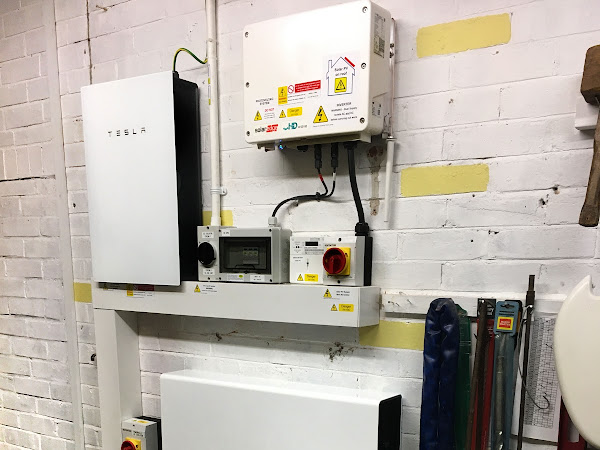
The inverter is an important consideration because it connects the solar generation system with the home’s electrical system.
Inverters have their own operating limits, specifications and compatibility requirements.
If an inverter eventually needs replacement, the replacement equipment must be suitable for the existing solar array and, where applicable, battery system.
Relevant considerations can include:
- Solar array capacity
- Panel electrical characteristics
- Battery compatibility
- Existing cabling
- Monitoring platform
- Electrical protection
- Manufacturer requirements
A replacement inverter is therefore not necessarily a simple like-for-like purchase.
Can individual battery components be replaced?
This depends on the battery system and manufacturer’s design.
Some storage systems consist of modular components, while others are designed as integrated units. The manufacturer’s servicing and replacement requirements will determine what can be replaced individually.
Before installing a battery, it can be useful to ask:
- Is the battery modular?
- Can individual modules be replaced?
- Is the battery expandable?
- What happens if one module develops a fault?
- How is the system monitored?
- Does the manufacturer provide technical support?
- Are replacement components available?
These questions do not mean a particular battery will be easier to repair than another. They simply help you understand how the system is structured.
Does battery monitoring help with diagnosis?
It can provide useful information.
Many modern battery systems have monitoring platforms that show information such as:
- Battery state of charge
- Charging activity
- Discharging activity
- System status
- Fault notifications
- Historical performance
Monitoring information can help identify when an unusual event occurred or whether the system is operating within its expected parameters.
However, monitoring should not be treated as a replacement for professional electrical diagnosis.
A notification may identify a symptom without explaining the underlying cause.
What should you keep after installation?
Good records can make future maintenance easier.
Keep copies of:
- Installation documentation
- System design information
- Panel specifications
- Inverter model
- Battery model
- Warranty documents
- Commissioning information
- Monitoring details
- Relevant electrical certificates
- Installer contact information
It is particularly useful to record the exact model numbers of the main components.
If an installer needs to investigate an issue several years later, having accurate information about the original system can reduce unnecessary uncertainty.
Does system architecture affect future repairs?
It can.
Different system architectures use different combinations of equipment. For example, AC-coupled and DC-coupled battery systems have different arrangements for how electricity moves between solar generation, the inverter and battery.
This can affect the equipment involved in diagnosis and replacement.
The important point is not that one architecture is universally easier to repair. Instead, the installer should be able to explain the configuration used in your property.
Understanding the architecture can also help if you need another installer to inspect or work on the system in the future.
What should you ask a repair company before work begins?
If you need assistance several years after installation, ask the repair company to explain the diagnostic process before agreeing to replacement work.
Useful questions include:
- What component appears to be causing the issue?
- How was the fault identified?
- Can the affected component be repaired?
- Does it need to be replaced?
- Is the replacement compatible with the existing system?
- Is the replacement covered by a warranty?
- Are any other components affected?
- What testing will be carried out after the repair?
These questions can help distinguish diagnosis from replacement.
A professional repair process should identify the likely cause before unnecessary equipment is changed.
How much can solar and battery repairs cost?
There is no universal repair price because the work required can vary considerably.
The cost of solar and battery repair cambridge homeowners face may depend on:
| Factor | Potential effect on repair |
| Fault type | Determines the diagnostic and repair work required |
| Component affected | Different equipment has different replacement costs |
| Accessibility | Difficult-to-access equipment may require additional labour |
| Parts availability | Older or discontinued equipment can be harder to source |
| System age | Older components may have limited manufacturer support |
| Warranty | Covered faults may have different costs |
| Electrical work | Additional testing or replacement may be necessary |
| Monitoring | Communication faults may require separate investigation |
A small monitoring issue is very different from replacing an inverter or battery module.
This is why a proper diagnosis should normally come before agreeing to a specific repair cost.
What if your original installer is no longer available?
Solar systems can remain in service for many years, so the company that originally installed the system may not always be available when maintenance is required.
This makes accurate documentation particularly valuable.
If another company needs to investigate the system, provide:
- Equipment model numbers
- Installation date
- System documentation
- Warranty information
- Monitoring access
- Previous repair records
The more information available, the easier it may be for a technician to understand the existing configuration.
When searching for a solar and battery repair company, ask whether the company is experienced with the type of system installed at your property.
Should repairability influence the original installation choice?
It can be one consideration among several.
When comparing new systems, you can ask about manufacturer support, warranties, monitoring, component availability and future expansion.
You may also want to understand whether the installer provides ongoing support or can assist with future servicing.
However, repairability should not be considered separately from system performance and suitability. The most useful approach is to choose equipment that is appropriate for the property and understand how it can be supported over its expected service life.
What should you ask before choosing a maintenance provider?
Whether you are looking for a battery installer near me or a company to inspect an existing solar installation, ask:
- Do you work with my battery manufacturer?
- Can you service the inverter model installed?
- Can you diagnose both solar and battery faults?
- Do you carry out testing before recommending replacement?
- Can you source compatible replacement components?
- Can you work with systems installed by another company?
- What information do you need before attending?
These questions can help establish whether the company is suitable for the particular equipment installed at your property.
Planning for the Long-Term Life of Your Solar System
Solar and battery systems are designed to provide value over many years, so future support is worth considering alongside today’s specification.
The most useful preparation is straightforward: understand the system architecture, keep accurate documentation, know which components are installed and choose an installer that can explain how future servicing and replacement may work.
If you are searching for a solar and battery repair company, provide as much information as possible about the existing system before arranging an inspection.
Related articles

What type of property do you have?
Detached House
Semi Detached House
Terraced House
Flat or Apartment
Bungalow
At a glance
However, solar panels, inverters, batteries, monitoring equipment and electrical components all have different roles. If an issue occurs several years after installation, being able to identify the affected component can make diagnosis and repair more straightforward.
For homeowners searching for a battery installer near me, it is therefore worth considering not only how the system will perform today, but also how it could be supported in the future.
Why does repairability matter when choosing a solar system?
A solar and battery installation is made up of several connected components. A fault affecting one part does not necessarily mean the entire system needs replacing.
For example, a problem could relate to:
- A solar panel
- Inverter
- Battery module
- Cabling
- Electrical protection
- Monitoring equipment
- Communication between system components
- Connection or configuration
The first step is normally identifying the source of the problem.
Good system documentation can help because it provides information about the installed equipment, configuration and relevant specifications.
Which solar components can be diagnosed individually?
Many solar system components can be checked separately during troubleshooting.
The inverter may provide fault codes or monitoring information that helps identify an issue. Individual panels can also be investigated if generation appears lower than expected.
A technician may consider:
- System monitoring data
- Inverter status
- Panel performance
- Electrical connections
- DC and AC readings
- Cabling
- Protection equipment
- Environmental factors
The exact diagnostic process depends on the system and the reported fault.
A sudden drop in generation does not automatically mean the panels themselves have failed. The issue could originate elsewhere in the system.
This is why professional diagnosis is preferable to replacing components based solely on a performance change.
What type of property do you have?
Detached House
Semi Detached House
Terraced House
Flat or Apartment
Bungalow
It just takes 2 minutes
And then you can book a free consultation
What happens if an inverter needs replacing?
The inverter is an important consideration because it connects the solar generation system with the home’s electrical system.
Inverters have their own operating limits, specifications and compatibility requirements.
If an inverter eventually needs replacement, the replacement equipment must be suitable for the existing solar array and, where applicable, battery system.
Relevant considerations can include:
- Solar array capacity
- Panel electrical characteristics
- Battery compatibility
- Existing cabling
- Monitoring platform
- Electrical protection
- Manufacturer requirements
A replacement inverter is therefore not necessarily a simple like-for-like purchase.
Can individual battery components be replaced?
This depends on the battery system and manufacturer’s design.
Some storage systems consist of modular components, while others are designed as integrated units. The manufacturer’s servicing and replacement requirements will determine what can be replaced individually.
Before installing a battery, it can be useful to ask:
- Is the battery modular?
- Can individual modules be replaced?
- Is the battery expandable?
- What happens if one module develops a fault?
- How is the system monitored?
- Does the manufacturer provide technical support?
- Are replacement components available?
These questions do not mean a particular battery will be easier to repair than another. They simply help you understand how the system is structured.
Does battery monitoring help with diagnosis?
It can provide useful information.
Many modern battery systems have monitoring platforms that show information such as:
- Battery state of charge
- Charging activity
- Discharging activity
- System status
- Fault notifications
- Historical performance
Monitoring information can help identify when an unusual event occurred or whether the system is operating within its expected parameters.
However, monitoring should not be treated as a replacement for professional electrical diagnosis.
A notification may identify a symptom without explaining the underlying cause.
What should you keep after installation?
Good records can make future maintenance easier.
Keep copies of:
- Installation documentation
- System design information
- Panel specifications
- Inverter model
- Battery model
- Warranty documents
- Commissioning information
- Monitoring details
- Relevant electrical certificates
- Installer contact information
It is particularly useful to record the exact model numbers of the main components.
If an installer needs to investigate an issue several years later, having accurate information about the original system can reduce unnecessary uncertainty.
Does system architecture affect future repairs?
It can.
Different system architectures use different combinations of equipment. For example, AC-coupled and DC-coupled battery systems have different arrangements for how electricity moves between solar generation, the inverter and battery.
This can affect the equipment involved in diagnosis and replacement.
The important point is not that one architecture is universally easier to repair. Instead, the installer should be able to explain the configuration used in your property.
Understanding the architecture can also help if you need another installer to inspect or work on the system in the future.
What should you ask a repair company before work begins?
If you need assistance several years after installation, ask the repair company to explain the diagnostic process before agreeing to replacement work.
Useful questions include:
- What component appears to be causing the issue?
- How was the fault identified?
- Can the affected component be repaired?
- Does it need to be replaced?
- Is the replacement compatible with the existing system?
- Is the replacement covered by a warranty?
- Are any other components affected?
- What testing will be carried out after the repair?
These questions can help distinguish diagnosis from replacement.
A professional repair process should identify the likely cause before unnecessary equipment is changed.
How much can solar and battery repairs cost?
There is no universal repair price because the work required can vary considerably.
The cost of solar and battery repair cambridge homeowners face may depend on:
| Factor | Potential effect on repair |
| Fault type | Determines the diagnostic and repair work required |
| Component affected | Different equipment has different replacement costs |
| Accessibility | Difficult-to-access equipment may require additional labour |
| Parts availability | Older or discontinued equipment can be harder to source |
| System age | Older components may have limited manufacturer support |
| Warranty | Covered faults may have different costs |
| Electrical work | Additional testing or replacement may be necessary |
| Monitoring | Communication faults may require separate investigation |
A small monitoring issue is very different from replacing an inverter or battery module.
This is why a proper diagnosis should normally come before agreeing to a specific repair cost.
What if your original installer is no longer available?
Solar systems can remain in service for many years, so the company that originally installed the system may not always be available when maintenance is required.
This makes accurate documentation particularly valuable.
If another company needs to investigate the system, provide:
- Equipment model numbers
- Installation date
- System documentation
- Warranty information
- Monitoring access
- Previous repair records
The more information available, the easier it may be for a technician to understand the existing configuration.
When searching for a solar and battery repair company, ask whether the company is experienced with the type of system installed at your property.
Should repairability influence the original installation choice?
It can be one consideration among several.
When comparing new systems, you can ask about manufacturer support, warranties, monitoring, component availability and future expansion.
You may also want to understand whether the installer provides ongoing support or can assist with future servicing.
However, repairability should not be considered separately from system performance and suitability. The most useful approach is to choose equipment that is appropriate for the property and understand how it can be supported over its expected service life.
What should you ask before choosing a maintenance provider?
Whether you are looking for a battery installer near me or a company to inspect an existing solar installation, ask:
- Do you work with my battery manufacturer?
- Can you service the inverter model installed?
- Can you diagnose both solar and battery faults?
- Do you carry out testing before recommending replacement?
- Can you source compatible replacement components?
- Can you work with systems installed by another company?
- What information do you need before attending?
These questions can help establish whether the company is suitable for the particular equipment installed at your property.
Planning for the Long-Term Life of Your Solar System
Solar and battery systems are designed to provide value over many years, so future support is worth considering alongside today’s specification.
The most useful preparation is straightforward: understand the system architecture, keep accurate documentation, know which components are installed and choose an installer that can explain how future servicing and replacement may work.
If you are searching for a solar and battery repair company, provide as much information as possible about the existing system before arranging an inspection.
Related articles


What type of property do you have?
Detached House
Semi Detached House
Terraced House
Flat or Apartment
Bungalow
